Hot Type, Cold Floors: What Explorers Find Inside America's Abandoned Newspaper Printing Plants
There's a particular kind of quiet that settles inside a dead newspaper building. It's not peaceful. It's the absence of something that was once deafening — the bone-rattling percussion of offset presses running full tilt at two in the morning, the shout of pressmen over machinery, the smell of hot ink baking onto newsprint at industrial speed. Walk into one of these places today and all of that is just... gone. What's left is ink-stained concrete, rusting iron, and a paper trail that tells the story of how American journalism lost its physical backbone.
Urban explorers across the country have been quietly documenting these sites for years, and the finds are consistently remarkable. Abandoned newspaper facilities aren't just old factories — they're layered time capsules that contain the full lifecycle of a media institution, from the composing room where type was set by hand, all the way down to the loading docks where bundled papers rolled out before dawn.
The Scale of These Places
If you've never been inside a mid-century newspaper production facility, the first thing that'll hit you is the sheer size. Regional papers that served cities like Cincinnati, Buffalo, or Tulsa weren't operating out of modest office buildings. They occupied full city blocks. The production floors alone could run several stories tall to accommodate the massive roll-fed rotary presses that required overhead gantries, ink delivery systems, and paper reel storage areas the size of warehouses.
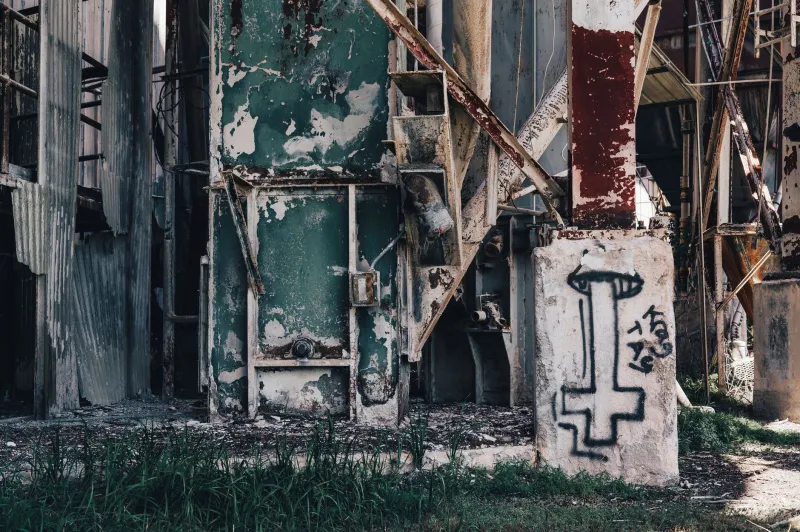
Explorers who've accessed former facilities from papers like the Cincinnati Post, the Rocky Mountain News, or dozens of smaller regional dailies consistently report the same disorienting experience: you enter expecting something office-like and instead find yourself navigating what feels closer to a steel mill. Catwalks above silent press decks. Hydraulic paper reel lifts frozen in place. Ink reservoirs dried to a cracked black residue. The industrial infrastructure of journalism at scale is genuinely staggering when you see it stripped of purpose.
The Composing Room: Where Time Really Stopped
For explorers with a sense of media history, the composing rooms are the real prize. In facilities that predate full offset printing — and many regional plants used hot metal type well into the 1970s — you'll sometimes still find Linotype machines sitting exactly where the last operator left them. These are extraordinary objects: cast iron behemoths that melted lead alloy and cast individual lines of type on demand, operated by a keyboard that looks vaguely like a typewriter but bears no resemblance to anything digital.
Scattered lead type slugs are a common find on composing room floors. Explorers have photographed entire cases of hand-set type still sorted into their wooden drawers, headline letters big enough to fill your palm, and the small metal spacers called "furniture" that compositors used to lock type into forms. In a few documented cases, the last page forms — the metal frames that held a complete newspaper page ready for printing — were still sitting on the stone-topped imposing tables, as if someone had just stepped away for a coffee break sometime around 1987 and never came back.
The Archive Rooms
Newspaper buildings almost always contain morgues — and no, not that kind. In journalism, the morgue is the clip archive: decades of newspaper clippings, photographs, and reference files organized by subject and stored for reporters to pull when working on a story. In the digital era these went electronic and the physical files were largely abandoned in place.
What explorers find in these rooms is genuinely moving. Manila envelopes stuffed with black-and-white photographs from the 1940s through the 1990s. Clipping files on local politicians, disasters, crimes, and community events. Contact sheets from staff photographers. In some facilities, the darkrooms are still intact — enlargers sitting on their easels, chemical trays dried out but still in position, strips of negatives hanging from clips on a drying line.
One explorer documenting a former mid-sized Ohio daily described pulling open a file drawer labeled simply "FLOODS" and finding hundreds of photographs spanning multiple decades of the same river valley — a visual record that exists nowhere else. That kind of accidental preservation is what drives a lot of people to these spaces.
The Press Decks
The printing presses themselves are the centerpiece of any newspaper plant exploration, and they do not disappoint. A full-size web offset press from the 1970s or 1980s is a cathedral of engineering — multi-story structures of steel and rubber rollers, ink fountain systems, folder units, and delivery conveyor systems that could produce a folded, stacked newspaper at a rate of tens of thousands of copies per hour.
Most of these machines were simply left. Scrapping a press of this scale is expensive and complicated, so when papers folded or consolidated production, the equipment often just stayed. Explorers navigate the catwalks between press units, photograph the dried ink caked into roller assemblies, and occasionally find the last roll of newsprint still threaded through the web path — a ghost edition that never ran.
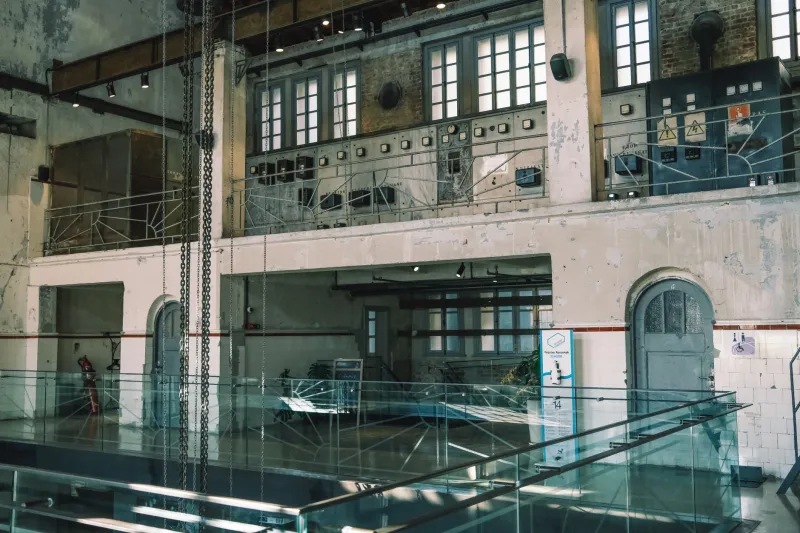
The press control rooms are another highlight. Rows of switches, gauges, and indicator lights that once let pressmen monitor ink density, register, and web tension now sit dark and silent. In some facilities the control panels still have handwritten notes taped to them — shift instructions, troubleshooting reminders, phone numbers for the ink supplier.
What Happened to These Buildings
The collapse of print advertising revenue in the 2000s and 2010s hit newspaper production facilities fast and hard. When papers folded or merged, the physical plants became liabilities overnight. Some were demolished. Some were redeveloped into loft apartments or mixed-use spaces, with the press decks occasionally preserved as architectural features. But a significant number simply sat.
The timeline of abandonment at these facilities is often surprisingly recent. Unlike, say, an asylum that's been empty since 1975, many newspaper plants went dark between 2005 and 2015. That recency means the decay is still active — ceilings leak onto press decks, mold colonizes the darkrooms, and the newsprint that was left behind turns brittle and crumbles at a touch. These aren't ancient ruins. They're fresh wounds.
What Draws Explorers Here
Beyond the industrial spectacle, there's something specifically compelling about exploring the physical infrastructure of information. Newspapers were, for most of American history, how communities understood themselves — who died, who got elected, what burned down, what the weather would be. The buildings where that information was manufactured and distributed carry a particular cultural weight that empty office parks and shuttered factories simply don't.
Explorers who document these spaces tend to approach them with a mix of industrial curiosity and genuine historical awareness. The photography coming out of these explorations — ink-stained floors, frozen Linotypes, archive rooms full of forgotten faces — has found real audiences online, because it makes tangible something most people only understand abstractly: the physical reality of how journalism used to work, and how completely that world has vanished.
If you're looking for a category of abandoned site that's both visually striking and historically rich, the dead newspaper plant delivers on both counts. Just watch the floors — decades of paper pulp and chemical runoff make for some genuinely unstable surfaces. Bring good boots, a solid light source, and maybe a little extra respect for what these places used to mean.