Par Forever: What's Left Inside America's Bankrupt Country Clubs
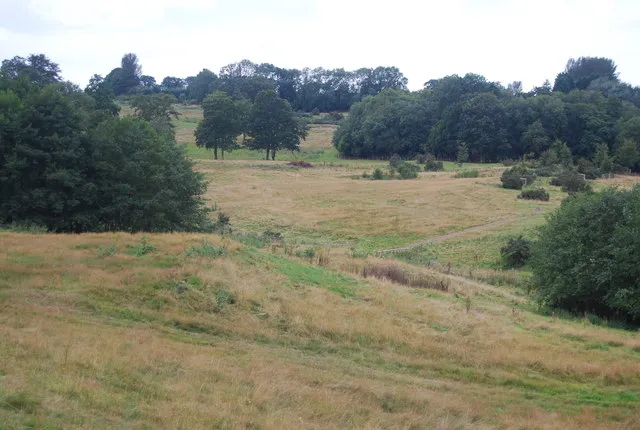
Photo: N Chadwick , CC BY-SA 2.0, via Wikimedia Commons
The Day the Cart Stopped
Golf courses don't usually die quietly. One week there's a Saturday morning scramble and a waitlist for the grill room; the next, there's a chain-link fence, a foreclosure notice, and a groundskeeper's shed full of rusting mowers. When the money dries up — membership dues collapse, a developer swoops in, or the resort that owned the course simply moves on — what gets left behind is one of the strangest time capsules in American urbex.
Unlike a factory or a mall, a country club is built for leisure, which means everything abandoned inside it was designed to feel luxurious. That makes the decay hit differently.
Inside the Clubhouse Freeze-Frame
Walk into a dead pro shop and you'll often find the whole operation mid-swing: racks of rental clubs nobody claimed, a wall of scorecards from a tournament that never finished, a tee-time computer still glowing with 2007 dates. The retail shelves might still hold logoed windbreakers and sleeves of balls with the club crest — now worth more as relics than as sporting goods.
The locker rooms are where it gets genuinely eerie. Wooden lockers with brass nameplates, sometimes belonging to members who've since passed away. Towels folded on benches. Saunas that smell faintly of cedar and mildew. And in the trophy cases and grill rooms, the real gold: engraved plaques naming club champions going back decades, sepia photographs of banquets, and menus from anniversary dinners.
Resort courses in places like the Poconos, the Catskills, and the Florida interior tell a slightly different story. These were built to serve vacationers, not members, so when the resort folded, entire golf operations — clubhouses, pools, cart barns — went dark at once. Some of these sites have sat dormant so long that the fairways have become meadows and the sand traps have sprouted birch saplings.
Nature Plays Through
A golf course is a completely artificial landscape, which becomes obvious the moment maintenance stops. Without mowing, irrigation, and chemicals, an 18-hole course starts reverting in a single season. Within five years, greens become bumpier than the surrounding pasture. Within a decade, you need a machete to find the pin.
Explorers report finding:
- Cart paths swallowed by kudzu in the South and wild grape in the Northeast
- Clubhouse roofs collapsing into ballrooms, chandeliers dangling over carpet gone black with rot
- Wildlife everywhere — deer on the tee boxes, herons in the water hazards, hawks nesting in the scorecard hut
- Maintenance tunnels and irrigation sheds that most visitors never knew existed
There's a bittersweet quality to it. These were places where people celebrated weddings, retirements, and hole-in-ones. Now the only regulars are coyotes.
The Legal Reality Check
Here's the part we have to say clearly: most former club property is privately owned, and 'abandoned' almost never means 'open.' Bankrupt courses are frequently held by banks, developers, or municipalities with active plans — and golf course land is valuable, which means these sites get redeveloped fast. Many are torn down or converted to housing within a few years of closing.
If you're researching one of these locations, do it from public records, historical aerial photos, and local news archives. Some former clubs have active security, and trespassing charges on private resort land tend to be taken seriously. The safest way to experience these places is through the photo archives of explorers who documented them legally or before redevelopment, and through local historical societies that often hold the trophy plaques and photo albums after a club dissolves.
Why They Matter
Country clubs document a very specific slice of American social history — the mid-century boom in membership clubs, the resort gold rush, and the slow decline of both. A dormant fairway with a rotting clubhouse at its heart is a landscape that tells you exactly how a community's leisure economy rose and fell.
And unlike most abandoned buildings, these sites don't look ruined so much as released. The clubhouse fights decay; the course surrenders to it gracefully. That contrast — a crumbling chandelier over a fairway gone to meadow — is about as photogenic as urbex gets.
Have you explored a former club or resort course in your area? The Wiki runs on field reports, so drop your findings — especially anything with dates, permits, or redevelopment status — in the contributions queue.