Windmills, Castles, and Deadputt Dreams: A Tour of America's Forgotten Miniature Golf Empires
Let's be honest: abandoned mini-golf courses are the most photogenic ruins in the entire urbex catalog. There's something about a fiberglass dinosaur looming over knee-high weeds, or a windmill slowly rotating in the breeze because the motor that stopped it decades ago finally gave up, that no crumbling factory can match. It's whimsy plus decay, and the internet can't get enough.
Why the Fun Died
Family entertainment venues are fragile businesses. Margins are thin, the equipment is expensive to maintain, and the whole model depends on families showing up in a predictable rhythm. When a highway reroutes traffic, a newer complex opens across town, or an economic downturn squeezes discretionary spending, these places die fast — and they die completely. There's no secondary use for a castle-shaped putting green.
The classic American mini-golf boom peaked mid-century, and the survivors of that era are increasingly rare. The 1980s and '90s wave of family fun centers — go-karts, arcade cabinets, ball pits, birthday party rooms — has been collapsing in a second wave, leaving behind some of the strangest interiors explorers will ever walk through.
The Listicle Tour: What's Still Standing Guard
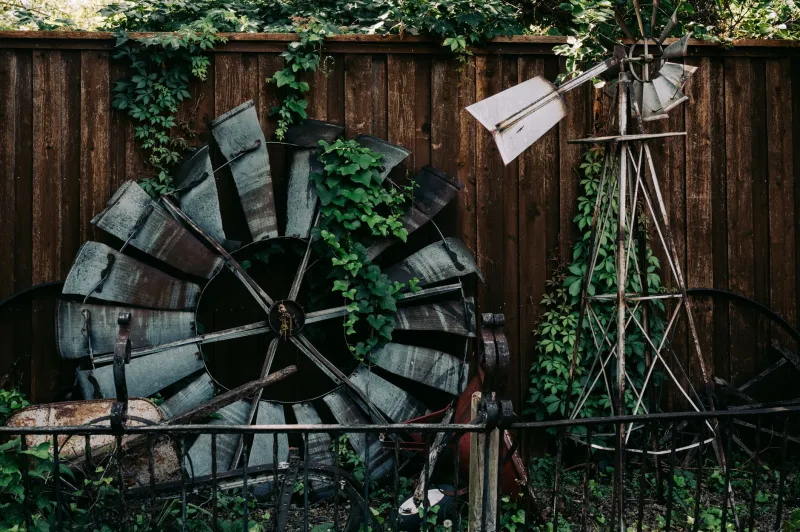
The Windmill. The undisputed mascot of deadputt. Whether wooden and hand-painted or rotomolded plastic, windmills outlast everything else on the course. Explorers have found them still standing in courses from Pennsylvania to Southern California, blades intact, landscaping long surrendered to volunteer trees.
The Dinosaur. Fiberglass prehistoric creatures were the premium upgrade of the mini-golf arms race. A triceratops half-buried in brush is the single most shared image genre in this corner of urbex, and for good reason — the scale is all wrong, which makes the photos surreal.
The Castle. Every ambitious course had one: a cinderblock or concrete fortress you putted through. Interiors are usually pitch black and often home to wildlife. Bring a light. Maybe two.
The Prize Counter. Inside the clubhouse is where it gets melancholy. Skee-ball lanes with the lights dark, ticket booths still holding rolls of paper tickets, and — in the best finds — prize shelves still stocked with the cheap plush toys nobody ever claimed. There's a whole micro-genre of photos of stuffed animals watching an empty arcade.
The Ball Pit. The stuff of legend and, frankly, the stuff of nightmares. Abandoned ball pits are exactly as gross as you're imagining, and explorers document them anyway because the internet demands it.
Cult Favorites in the Community
Certain sites have achieved legendary status. Courses featured in viral photo essays draw pilgrimages, and some — like the remnants of Route 66-era roadside courses in the Southwest — have even been partially preserved by preservation-minded locals. Others get demolished within months of going viral, which is the bittersweet rhythm of this niche: the photos outlive the windmill.
Before You Tee Off
A few ground rules. Abandoned fun centers are frequently on privately owned land with active for-sale listings, which means trespassing charges are a real risk — many are also partially demolished, with exposed rebar, rotten flooring over empty pits, and unstable structures that look climbable and absolutely are not. Never enter ball pits or crawl spaces. Shoot from the safe zones, watch for security patrols at sites near operating businesses, and leave the plush where it hangs.
The dinosaurs aren't going anywhere. Neither are the photos. Get the shot, post the report, and let the windmills keep their watch.