Wheels, Blades, and Cobwebs: What Explorers Uncover Inside America's Shuttered Skating Rinks
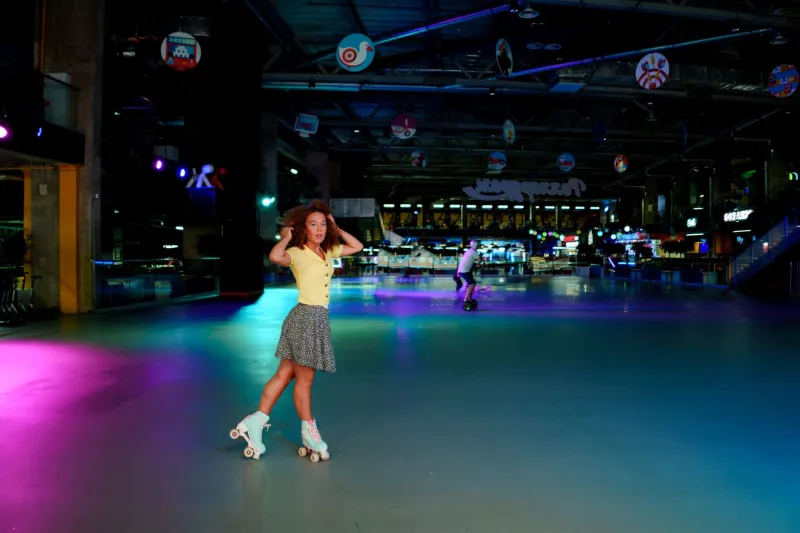
There's something particularly disorienting about stepping onto a floor that was designed for motion and finding only stillness. America's abandoned skating rinks — both the ice variety and the classic roller arenas — deliver that feeling in spades. The moment you're inside one, you understand immediately why explorers keep coming back to document them. These places don't just decay. They haunt.
For decades, the skating rink was as central to American suburban life as the movie theater or the mall food court. Birthday parties, first dates, awkward middle school Friday nights soundtracked by whatever was topping the charts — the rink was the venue for all of it. Then, gradually, it wasn't. Today, hundreds of these arenas sit locked up across the country, and the urban exploration community has been quietly slipping inside to document what's left.
The Architecture of Fun, Falling Apart
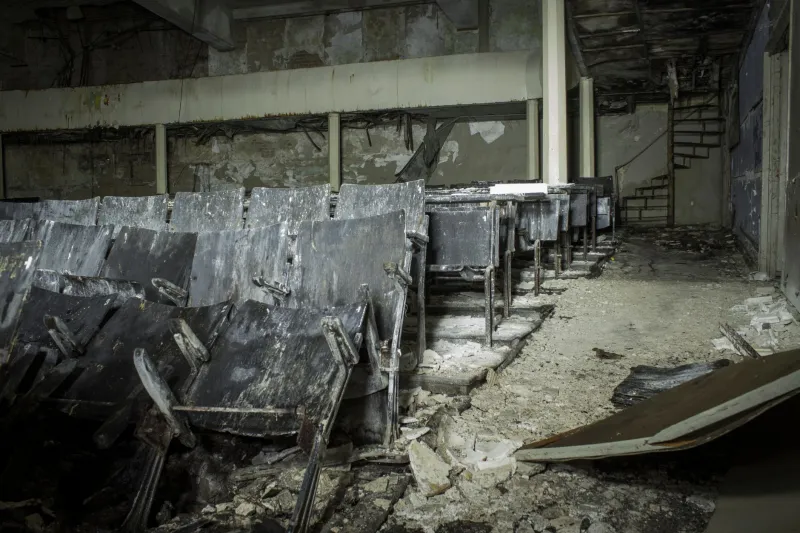
What strikes most explorers first is the sheer scale of these buildings. Roller rinks and ice arenas weren't modest structures. They had to house a full oval or rectangular floor, seating or standing areas along the perimeter, concession stands, skate rental counters, and usually some version of an arcade or party room tucked somewhere in the back. Walking into one that's been vacant for ten or fifteen years means confronting a lot of square footage in various stages of collapse.
The roofs are usually the first thing to go. Ice rinks especially — which require sophisticated refrigeration infrastructure running beneath the floor — suffer badly once the mechanical systems shut down. When the compressors stop and the refrigerant lines sit idle, the concrete beneath can heave and crack. Explorers who've documented abandoned ice arenas in the Midwest describe floors that look like frozen tidal waves, the concrete buckled and broken in long dramatic ridges. The rink surface that once held a Zamboni's worth of smooth ice is now a landscape all its own.
Roller rinks tend to hold together a little longer structurally, though the famous hardwood floors — often made from maple, the same wood used in bowling alleys and basketball courts — deteriorate in their own way. Without climate control, moisture gets in. The wood warps, buckles, and eventually splinters. Explorers frequently describe the strange acoustic quality of walking across these floors: hollow in some spots, solid in others, with the occasional crack that opens onto the ventilation space below.
The Stuff Left Behind
If you want to understand why explorers are drawn to skating rinks specifically, the answer is in the artifacts. Few abandoned spaces in America retain as much original equipment as these venues, and the reason is simple: most of this stuff had no resale value once the business closed. Nobody came back for it.
The skate rental walls are the most iconic image. Rows and rows of rental skates — roller skates in sizes ranging from toddler to adult, or ice skates with their blades still attached — hanging on pegs or lined up on shelves, covered in dust, the leather cracked and dried out. The size numbers are still written on the heels. The laces are still threaded. It looks like everyone just... left.
Concession stands frequently still have their equipment: vintage popcorn machines, soda fountain infrastructure, and the kind of neon signage that hasn't been manufactured in thirty years. One explorer who documented a closed roller rink in suburban Ohio described finding a hand-written price list still taped to the counter — hot dogs for a dollar fifty, nachos for two dollars, slushies in three sizes. The prices alone were enough to date the closure to the early 2000s.
Scoreboards from hockey leagues or speed skating competitions still hang above the ice in many abandoned arenas, the numbers frozen at whatever score was last displayed. Pennants from local youth leagues hang from the rafters. Trophy cases in the lobby still hold their hardware, glass unbroken, the little brass plates engraved with names nobody's read in years.
The DJ Booth and the Disco Ball
For roller rinks especially, the entertainment infrastructure is its own category of discovery. The classic American roller rink ran on music — a DJ booth elevated above the floor, a sound system that could rattle the walls, and almost always, a disco ball. Not just a small one. The big kind, the kind that threw light across every surface in the room when the house lights went down.
Explorers who get inside roller rinks before the disco balls come down — and many do eventually fall, pulled by gravity and rust — describe the experience of standing under one as quietly overwhelming. Even without the lights, even in daylight filtering through a cracked skylight, the faceted mirror tiles catch whatever illumination exists and scatter it. The room that was built for movement and music and noise becomes, in abandonment, unexpectedly beautiful.
The DJ booths themselves are fascinating time capsules. Turntables, mixers, crates of records, cassette storage racks, and later, CD cases — all of it left in place. The music libraries of these venues document the eras they operated through: disco, new wave, top 40, hip-hop, pop-country crossover. One explorer in the Southeast found a handwritten setlist tucked under a mixer, dated to what appeared to be a New Year's Eve party. The last song on the list: Auld Lang Syne.
Why They Closed
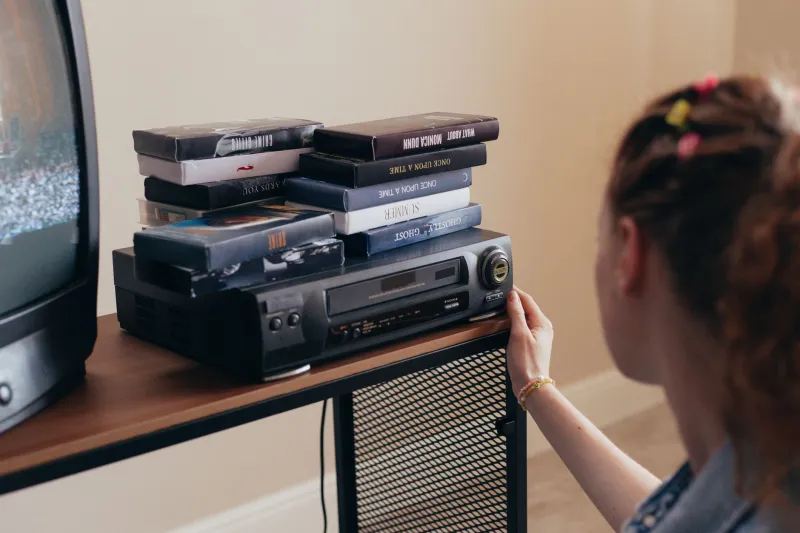
The story of the American skating rink's decline isn't a single story. It's several overlapping ones. The rise of home video gaming pulled kids away from communal entertainment spaces through the '90s and 2000s. Liability insurance costs climbed as rink operators faced injury lawsuits. The buildings themselves — often built cheaply in the '60s and '70s — aged faster than their owners could afford to maintain them. And as suburbs sprawled outward and demographics shifted, many rinks found themselves in neighborhoods that no longer matched their original customer base.
Ice rinks had their own additional pressures: the refrigeration systems required to maintain ice surfaces are enormously expensive to operate, and when compressors failed, repair costs frequently exceeded what struggling operators could absorb. A single major mechanical failure could close an ice rink permanently.
The pandemic accelerated closures that were already in progress. Several roller rinks that had survived into 2019 on nostalgia programming — adult skate nights, '80s theme events — couldn't make it through eighteen months of shutdowns and came out the other side unable to reopen.
What Explorers Are Preserving
The urban exploration community has been remarkably thorough in documenting these spaces before demolition or redevelopment claims them. Photo sets from abandoned skating rinks circulate widely in explorer forums and social media groups, and the response is almost always the same: floods of people sharing memories of the specific rink, or one just like it, from their own childhoods.
That's something the exploration community understands intuitively. The value in documenting these places isn't purely architectural or historical in the formal sense. It's about capturing the physical evidence of how people actually spent their lives — not in monuments or museums, but in loud, chaotic, joyful rooms built specifically for the purpose of having a good time.
The rental skates are still on the wall. The disco ball is still hanging. The scoreboard still shows the last score. And somewhere in the back, past the party rooms and the defunct arcade machines, the silence is total.
For now.