Ringed in Weeds: The Cold War Batteries Still Watching Over American Suburbs
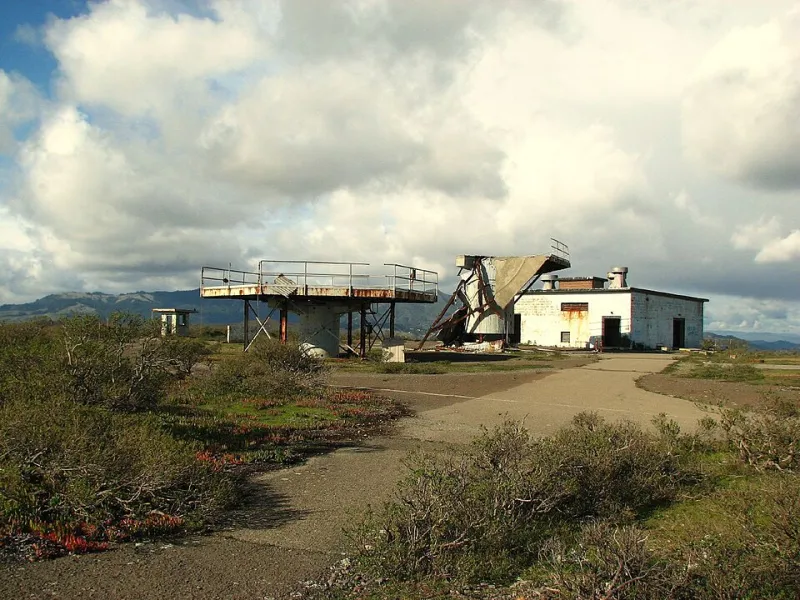
Photo: David Berry from Rohnert Park CA, USA, CC BY 2.0, via Wikimedia Commons
A Ring of Steel Around the Cities
In the 1950s and 1960s, American cities were ringed by something that most commuters never saw: Nike missile batteries. These were surface-to-air missile sites designed to intercept Soviet bombers before they reached urban targets. They sat on hilltops, in parks, near reservoirs, and at the edge of new subdivisions. The name came from the Greek goddess of victory, and the program became one of the most visible — and then most forgotten — pieces of Cold War infrastructure in the country.
Hundreds of sites were built. Most were decommissioned by the 1970s as ICBMs and other technologies changed the strategic picture. Today, the remains are scattered across the United States: concrete pads, radar towers, bunkers, and chain-link fences slowly disappearing into woods and weeds.
Radar, Launchers, and the Underground Magazine
A Nike site was not a single building. It was a system. The control area held the radar and the tracking equipment, often on high ground with a clear view of the horizon. The launch area held the missiles, the launchers, and the underground magazine where the missiles were stored and raised. The two areas were usually separated by a few hundred yards and connected by cables and roads.
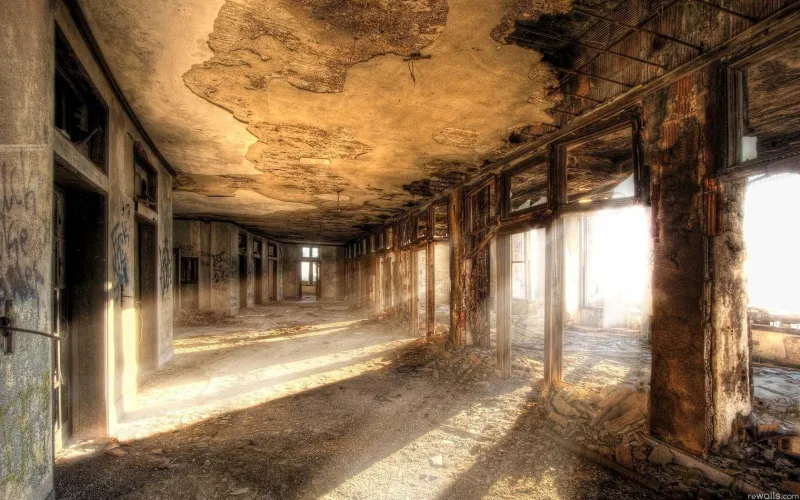
The launch area is what most people picture: concrete aprons, metal rails, blast walls, and the doors of the underground magazine. The missiles themselves are gone, but the infrastructure remains. You can still find launcher rails, elevator mechanisms, and the heavy doors that once protected the magazines. The control bunkers are darker and more claustrophobic, with rooms for radar consoles, communications gear, and crew quarters. Graffiti covers many of the walls now, and the old equipment has been stripped or vandalized.
What Remains Above and Below
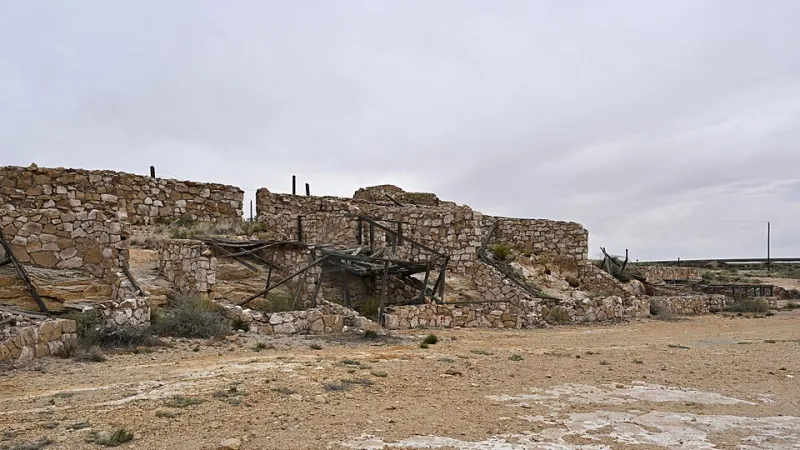
The above-ground remains are often the most photographed: radar towers with missing panels, concrete pedestals, and the odd geometry of Cold War engineering. Some sites have been turned into parks, nature preserves, or historic landmarks. Others sit on private land or behind fences. A few have been reused as communications facilities, storage, or even police training sites.
Below ground, the story is more complicated. The magazines and bunkers were built to withstand blast and weather, but they were not built to be left open for fifty years. Water gets in. Concrete cracks. Metal rusts. Ventilation fails. The dark is total. In some sites, the underground spaces are flooded or filled with debris. In others, they are sealed. The idea of a pristine underground control room is mostly a myth; the reality is usually damp, broken, and unsafe.
Myths That Outlived the Missiles
Nike sites attract legends. Some people say the missiles were nuclear-tipped. Some were — certain variants carried nuclear warheads — but not every site and not every missile. Others claim the sites are still connected to secret tunnels or active military communications. There is no evidence of a vast underground network linking the batteries. The cables and roads were local. The secrecy was real, but it was about radar frequencies and readiness, not hidden cities.
Another myth is that the sites are abandoned and therefore open. Many are not. Some are on active military reservations, some are in public parks with posted hours, and some are on private property. Trespassing can lead to fines, and the structures themselves are full of hazards: open shafts, unstable concrete, asbestos, lead paint, and sharp metal. The fact that a site looks forgotten does not mean it is safe or legal.
Access, Etiquette, and the Odd Afterlife
The best way to visit a Nike site is through a legitimate tour, a historic site, or a park trail that passes the remains. A few sites have been preserved as museums or interpretive centers. Others are visible from public roads. If you do get permission to explore, go with someone who knows the site, carry reliable light and a helmet, and never enter a sealed bunker or climb a damaged tower.
The odd afterlife of these sites is part of their appeal. They were built to watch the sky for bombers that never came. Now they watch suburbs grow, deer move through the fences, and graffiti artists add new layers to old concrete. They are monuments to a fear that faded, and to the engineering that answered it. In 2026, they are less about missiles than about memory — and about what happens when the country moves on but the concrete stays.