Dead Air: Wandering the Abandoned Radio Stations America's Airwaves Left Behind
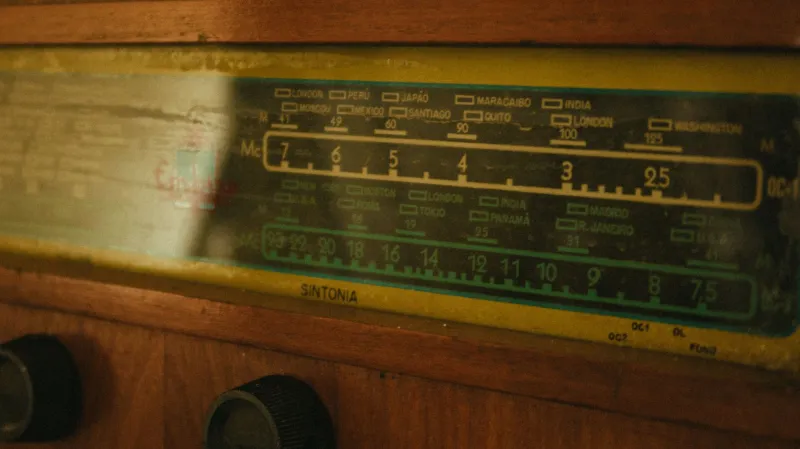
There's something genuinely eerie about standing inside a broadcast booth where the mic has gone cold. The on-air light is still mounted above the door — red bulb long burned out — and the clock on the wall stopped at some unremarkable Tuesday afternoon nobody can quite remember. Radio stations, when they die, die quietly. One day there's a voice. The next, static. And then nothing at all.
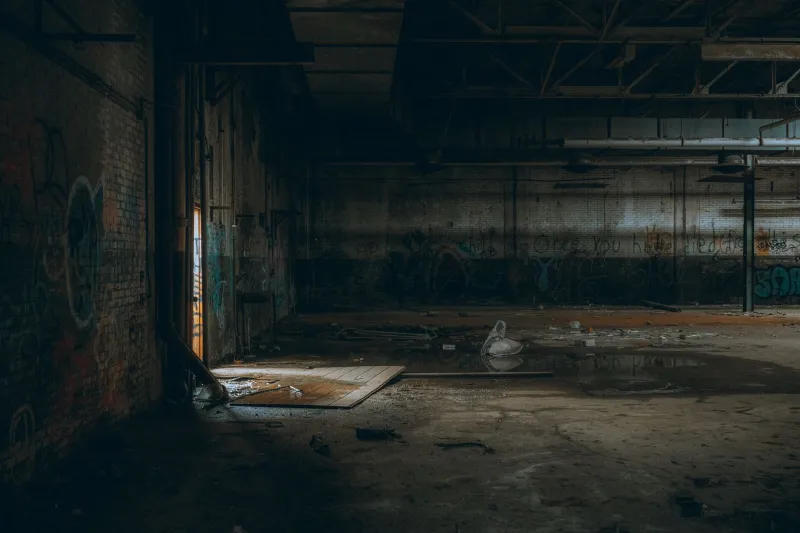
For urban explorers, these spaces hit different from a shuttered factory or a crumbling hospital. Radio stations weren't just workplaces. They were carefully engineered environments built around the physics of sound — and that makes them architecturally fascinating long after the last broadcast fades out.
Why Radio Stations Get Left Behind
The story of abandoned radio infrastructure in the United States is really a story about consolidation, technology, and economics colliding all at once. The Telecommunications Act of 1996 blew the doors open on media ownership, letting a handful of major corporations gobble up hundreds of local stations. When that happened, operations got centralized. A single building in a major city could suddenly broadcast across dozens of markets simultaneously, leaving the original local studios — sometimes decades old — completely redundant.
Digital streaming and satellite radio did the rest. Formats that once required a full staff to execute could be automated with a laptop and a scheduling program. Transmitter sites that used to need on-site engineers became remote-monitored. Buildings that once buzzed with DJs, engineers, sales teams, and program directors went quiet, then got locked up, then got forgotten entirely.
Small-town AM stations are especially vulnerable. Many of them operated on shoestring budgets to begin with, serving hyper-local audiences with farm reports, high school sports, and community announcements. When those audiences fragmented and ad revenue dried up, there was nothing left to sustain them. The equipment just... stayed.
What Explorers Actually Find Inside
Step into an abandoned radio station and the first thing that usually hits you is the acoustic architecture. Unlike almost any other commercial building, these spaces were engineered to manipulate sound. Broadcast studios are lined with thick insulation, angled walls, and ceiling baffles designed to eliminate echo and outside noise. Even decades after abandonment, you can clap your hands in an old broadcast booth and notice how differently sound behaves — flatter, more absorbed, almost swallowed.
Beyond the architecture, the equipment is where things get genuinely wild. Explorers routinely document:
Reel-to-Reel Tape Machines — Massive Ampex and Scully units, some still threaded with tape, sit on equipment racks like mechanical dinosaurs. These machines recorded everything from local commercials to live call-in shows. The tape itself, if it hasn't degraded, potentially holds audio that exists nowhere else.
Vinyl Libraries — Major market stations accumulated enormous collections of records — 45s, LPs, promotional pressings, and library music reels. In abandoned stations, these collections sometimes survive intact, stacked in custom shelving units built right into the studio walls. Finding a promo copy of a regional 1970s band that never made it big is the kind of thing that makes explorers genuinely lose their minds.
Broadcast Consoles — The mixing boards in old radio stations are engineering artifacts in their own right. Companies like Gates, RCA, and Collins built consoles that are both functional tools and objects of real aesthetic beauty — rows of faders, VU meters with their dancing needles, and banks of toggle switches that once controlled what millions of people heard.
Transmitter Buildings — Separate from the studio proper, transmitter shacks are often found at tower sites in rural or semi-rural locations. Inside, you might find massive vacuum tube transmitters — some the size of refrigerators — that were state of the art in the 1940s and 50s. These sites have a particular industrial beauty: all heavy steel, ceramic insulators, and warning labels in urgent red.
Logs and Paperwork — FCC regulations required stations to maintain detailed program logs. Many abandoned stations left these behind, creating accidental archives of what aired on any given day going back decades. Program schedules, commercial contracts, and engineering reports are all part of the paper trail explorers dig through.
The Acoustic Architecture Angle
One thing that separates radio stations from most other abandoned structures is how intentional the interior design was. Every surface in a broadcast studio was chosen with a specific acoustic purpose. Explorers who spend time in these spaces often comment on how different rooms feel sonically distinct — a live room designed to add natural reverb for music feels completely different from the dead, padded quiet of a news booth.
Some stations, particularly those built in the 1930s and 40s during radio's actual golden age, were architectural showpieces. Major network affiliates sometimes occupied purpose-built facilities with art deco lobbies, dedicated performance studios large enough for live orchestras, and elaborate reception areas designed to impress advertisers. Exploring one of these older facilities is like finding a time capsule of mid-century commercial design — all terrazzo floors, curved walls, and chrome fixtures — buried inside an otherwise unremarkable commercial building.
The Transmitter Tower Problem
A quick but important note for anyone thinking about exploring radio sites: the towers themselves are a completely different situation. Active towers carry high-voltage RF energy that is genuinely dangerous, and even inactive towers are structurally risky to climb without proper equipment and training. The studio buildings are one thing. The towers are something else entirely. Know the difference before you go anywhere near a transmitter site.
Notable Locations Explorers Have Documented
Without getting into specifics that could compromise access, the explorer community has documented abandoned radio facilities across a wide geographic spread. The Rust Belt has a disproportionate share — cities like Detroit, Cleveland, and Pittsburgh that once supported multiple competing stations now have surplus infrastructure scattered across their metro areas. The rural South has a concentration of small AM sites, many still with their original mid-century equipment. And in the West, some of the more remote transmitter outposts are essentially intact time capsules, rarely visited and surprisingly well-preserved simply due to their isolation.
Why These Places Matter
Radio shaped American culture in ways that are easy to underestimate now. Before television, before the internet, before streaming — radio was the medium. It's where families gathered for entertainment, where news broke, where music was discovered. The physical spaces where that happened deserve to be documented, even if they can't be saved.
Every reel of tape in an abandoned broadcast library is a potential piece of audio history. Every program log is a record of what a community cared about on an ordinary Wednesday in 1962. Urban explorers aren't just sightseeing in these places — they're doing a kind of informal archaeology, bearing witness to infrastructure that shaped daily American life for most of the twentieth century.
The signal is gone. But the rooms where it was born are still out there, waiting for someone to push open the door and listen to the silence.