Pages Left Behind: What Explorers Find Inside America's Shuttered Bookstores and Indie Publishers
There's something different about walking into an abandoned bookstore versus, say, an empty factory or a derelict office building. Factories leave behind machinery. Offices leave behind cubicle partitions and dead ficus trees. But bookstores — especially the independent, owner-operated kind that once anchored neighborhood commercial strips from Portland to Pittsburgh — leave behind entire worlds that somebody carefully curated, one title at a time.
Over the past decade, urban explorers have been quietly documenting the collapse of America's indie book retail scene and the small-press publishing operations that often ran alongside it. What they're finding inside is equal parts heartbreaking and fascinating.
The Shelves Nobody Cleared Out
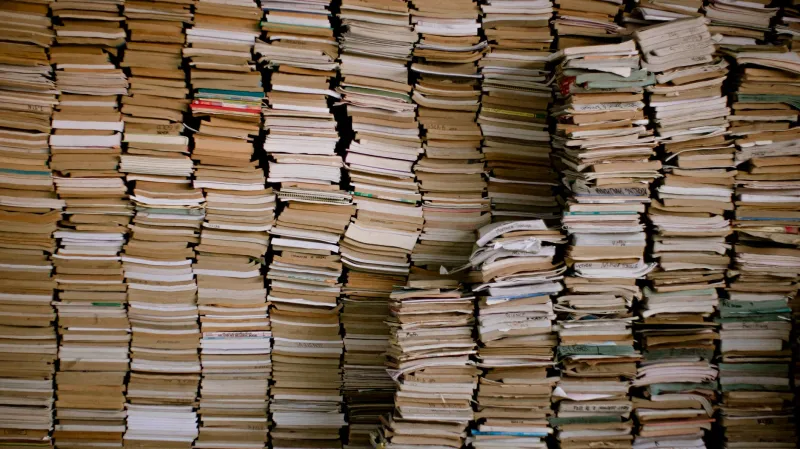
The most immediately striking feature of any abandoned bookstore is almost always the inventory. Unlike chain retailers, which typically liquidate merchandise through closeout sales and corporate redistribution before locking the doors for good, independent booksellers often closed fast — sometimes overnight — when the math finally stopped working. Explorers frequently walk into spaces where hundreds, sometimes thousands, of books are still exactly where a staff member last shelved them.
In a shuttered general-interest shop documented in rural Ohio, explorers found an entire local history section completely intact, including self-published county genealogies and spiral-bound cookbooks from church fundraisers that dated back to the 1970s. In a closed used-book emporium in upstate New York, ceiling-high wooden shelving units — built by the owner himself, according to a handwritten sign still tacked to the wall — sagged under the weight of paperback science fiction collections nobody had touched in years.
The books themselves become a kind of archaeological record. Water damage, mold blooms, and the slow warping of paperback spines tell the story of how long a space has been sitting. Explorers who know what they're looking for can sometimes spot genuinely rare volumes mixed in with the ordinary — first editions shelved spine-out alongside mass-market thrillers, small-press poetry collections tucked between mainstream bestsellers.
The Character That Chains Could Never Replicate
Independent bookstores were, almost by definition, extensions of their owners' personalities. That individuality is exactly what makes their abandoned spaces so different from exploring a shuttered big-box retailer.
Hand-painted signs are everywhere. Chalkboard recommendation displays, some still bearing staff picks written in careful cursive, sit frozen in time. Custom shelving categories that would never appear in a corporate planogram — "Books Your Aunt Would Hate," "Weird Science," "Local Stuff We Actually Read" — survive on handmade labels long after the staff who invented them moved on. Reading nooks with mismatched armchairs. Cats' water bowls near the register. Children's sections painted in fading murals. These were spaces built by people who genuinely loved books, and that love left physical evidence.
In a shuttered feminist bookstore in the Midwest, explorers documented an entire wall of community bulletin board postings — event flyers, lost-pet notices, and meeting announcements for local reading groups — that had been layered over one another for decades, creating an unintentional archive of neighborhood life. In a closed mystery specialty shop in New England, the original hand-carved wooden sign still hung above the door, and the owner's personal collection of vintage pulp paperbacks remained in a locked glass case that nobody had bothered to break into.
Small-Press Publishers: Where the Machinery Tells the Story
Some of the most compelling abandoned literary spaces aren't retail at all — they're the small-press and self-publishing operations that produced the books in the first place. These facilities, often running out of converted storefronts, warehouse corners, or residential garages, were the infrastructure behind literary magazines, poetry chapbooks, regional fiction anthologies, and political pamphlets that existed entirely outside the mainstream publishing pipeline.
Explorers who've gotten access to these spaces describe a completely different kind of discovery. The emphasis shifts from shelving and signage to machinery: tabletop letterpress units, Risograph duplicators, early desktop publishing setups with hardware that predates most of the explorers themselves, and hand-binding equipment ranging from professional-grade bone folders to improvised jigs built from scrap lumber.
Paper is everywhere in these spaces — reams of it, in various states of deterioration. Unbound signature stacks. Proof sheets with handwritten corrections in the margins. Cover mockups pinned to corkboards. In one documented print shop in the Pacific Northwest, explorers found an entire run of an underground literary magazine from the mid-1990s, still bundled in the twine it had been packed in for distribution, sitting on a shelf as if waiting for a mail carrier who never arrived.
The smell in these spaces is distinctive, too — explorers consistently mention the particular combination of old paper, dried ink, and damp wood that seems to be universal to abandoned print operations regardless of geography.
Why These Places Close, and Why They Stay Closed
The economic story behind abandoned bookstores is pretty well-documented by now. E-commerce, the e-reader revolution, consolidation in the publishing industry, and the general collapse of foot-traffic retail in American downtowns combined to hollow out independent book retail over roughly a 20-year period. The 2008 financial crisis accelerated a lot of closures. So did the pandemic, which hit small specialty retailers particularly hard.
What's less understood is why so many of these spaces sit vacant for so long afterward. Commercial real estate in secondary markets can be slow to turn over, especially in smaller cities and towns where the replacement tenant pool is thin. Some owners hold onto leases or properties out of sentiment, unwilling to fully let go of a business that defined decades of their lives. Others simply lack the energy or resources to organize a proper liquidation after years of financial struggle.
The result is a surprisingly large inventory of abandoned literary spaces scattered across the country — and a small but dedicated community of urban explorers who've made it their business to document them before the elements, vandals, or eventual demolition do permanent damage.
What Explorers Take Away (Besides Photos)
There's a reflective quality to exploring these spaces that even veteran urban explorers mention. Abandoned factories inspire awe at scale. Abandoned hospitals inspire unease. Abandoned bookstores tend to inspire something quieter — a kind of melancholy recognition that every title on those sagging shelves represents a choice somebody once made, a recommendation somebody once offered, a conversation somebody once had at a register.
For explorers interested in American literary and cultural history, these spaces are genuinely irreplaceable primary sources. The community bulletin boards, the staff recommendation cards, the handwritten inventory systems, the self-published local histories — none of this material ends up in archives. When the building goes, it goes.
That's ultimately what drives a lot of the documentation work happening in these spaces right now. Not the thrill of trespass, but the quiet urgency of getting a record made before the last page turns.