Empty Lanes and Rusty Slides: What Explorers Find Inside America's Abandoned Pools and Water Parks
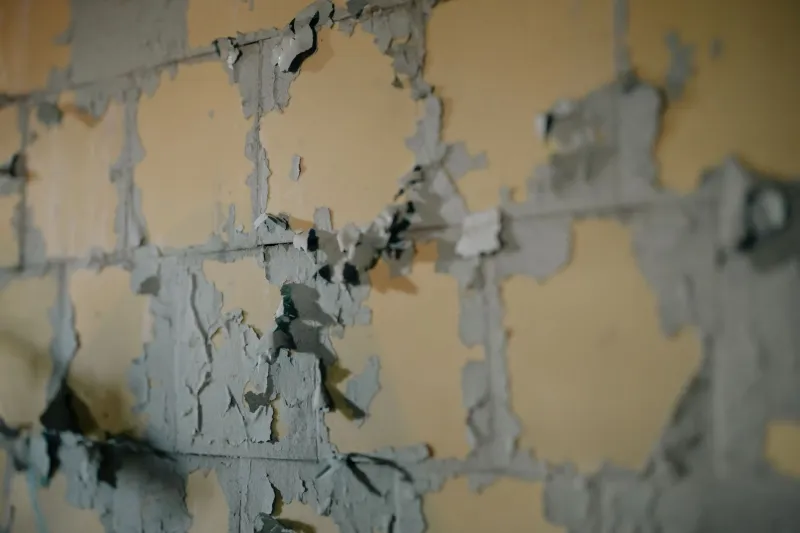
There's something about a drained swimming pool that hits different than almost any other abandoned space. Maybe it's the scale — that vast, sloping concrete bowl that used to hold thousands of gallons of chlorinated water and the screaming laughter of summer. Maybe it's the color, the way aquamarine paint peels back in long, curling strips to reveal raw gray concrete underneath. Whatever it is, explorers who've wandered into abandoned aquatic facilities tend to describe the experience the same way: eerie, melancholy, and completely unforgettable.
Across the US, hundreds of public pools, resort water parks, and municipal rec centers have shuttered over the past few decades. Some closed quietly after a single bad season. Others limped along for years before a final budget axe ended things for good. The structures they left behind range from modest neighborhood pools with a single diving board to sprawling water park complexes featuring wave pools, lazy rivers, and multi-story slide towers. All of them, in their own way, are time capsules of a particular American vision of summer fun.
What You Actually Find When You Get There
The first thing most explorers notice is the silence. These were places designed specifically to be loud — kids cannonballing off the high dive, lifeguard whistles, the mechanical hum of filtration pumps running around the clock. That absence of sound is almost physical when you're standing at the edge of a drained basin.
The pools themselves are usually the main draw. Depending on how long a site has been vacant, you might find anything from a relatively clean shell with intact tile work to a cracked basin half-filled with stagnant rainwater, fallen leaves, and the occasional spray-painted tag. The lane markers are often still visible, faded stripes running the length of the pool floor. At older municipal facilities, original mid-century tile mosaics sometimes survive — fish, waves, sunbursts — still vivid despite years of neglect.
The pool deck tends to accumulate layers of debris: broken lounge chairs, sun-bleached safety signs, the occasional forgotten flip-flop that's been there long enough to become part of the scenery. Pump rooms and filtration buildings are a particular favorite for explorers who like mechanical spaces. The equipment inside — pressure gauges, chemical feed systems, massive sand filters — looks like something out of an industrial facility rather than a rec center. When it's all been left in place, it reads like a functional system that simply stopped mid-operation.
Water Parks: A Different Kind of Ruin
If municipal pools are the quiet ruins, abandoned water parks are the theatrical ones. The scale is bigger, the visual drama is cranked up, and the contrast between what these places used to be and what they are now is almost surreal.
Waterslide structures are the obvious centerpiece. Fiberglass tubes in faded primary colors twist and spiral down from platforms that used to have lines stretching back twenty minutes on a hot July afternoon. Up close, the deterioration is detailed — fiberglass cracking and delaminating, support structures rusting at the joints, the flume channels stained brown from years of standing water. Some slides have partially collapsed. Others look structurally intact but are coated in algae and debris, nature slowly reclaiming the curves.
Wave pools are a particular draw for explorers. The basin is usually enormous — sometimes the size of a full city block — and the mechanical wave-generation equipment at the far end is fascinating in a purely industrial way. Lazy rivers have their own strange energy: a winding channel, maybe three feet deep, that loops around the property through what used to be landscaped grounds and is now overgrown with whatever the local ecosystem decided to plant there.
The support infrastructure at water parks is surprisingly extensive. Concession buildings, equipment storage, pump houses, employee locker rooms, first aid stations — all of it left in various states of decay. You can piece together the operational logic of the whole place just by wandering from building to building.
Why They Closed
The story behind most of these closures comes down to a few recurring themes. Municipal pools, particularly in mid-sized cities and smaller towns, faced the double pressure of rising maintenance costs and declining usage. As suburban sprawl pushed populations outward and backyard pools became more affordable, the old neighborhood pool lost its role as the only option in town. Insurance and liability costs climbed. Facilities built in the 1950s and 60s needed expensive upgrades to meet modern ADA requirements and safety codes. When the budget conversation came around, these pools often didn't survive the cut.
Private water parks faced their own set of challenges. The industry went through rapid consolidation in the 1990s and 2000s, with regional operators getting squeezed out by larger chains. Parks that couldn't afford to keep adding new attractions found attendance dropping as customers drove further to the newer, bigger competition. Some were victims of bad timing — opening just before a recession, or sitting in a market that simply couldn't support the overhead. A few closed after accidents and the liability fallout that followed.
The social dimension is worth noting too. Many of the municipal pools that closed were anchors for specific neighborhoods — often lower-income communities where public recreation infrastructure was already limited. Their closure didn't just eliminate a summer amenity; it removed a genuine community gathering space. You see evidence of that history in the facilities themselves: championship banners still hanging in natatoriums, team photos on the walls of locker rooms, trophy cases that were never emptied out.
The Natatorium Problem
Indoor pools — natatoriums, as they're technically called — are a specific subcategory that explorers find particularly compelling. The humidity that a functioning pool requires does strange things to a building when the pool goes dry and the HVAC systems shut off. Paint peels in long sheets. Metal corrodes at an accelerated rate. The air has a particular quality, damp and chemical and somehow both musty and sterile at the same time.
Older natatoriums, especially those built as part of high schools or community centers in the mid-twentieth century, often have genuinely beautiful architecture: vaulted ceilings, large windows, tile work that was clearly meant to be impressive. Finding one of these spaces deteriorating is genuinely sad in a way that's hard to articulate.
Documenting What's Left
For explorers interested in these sites, the photography opportunities are exceptional. The interplay of natural light in a drained outdoor pool, the geometric patterns of lane lines and tile, the color contrasts between faded paint and raw concrete — it's a visually rich environment. Wide-angle shots of the full basin from the deck level are a staple, but the detail work is where things get interesting: the texture of peeling paint, the oxidation patterns on a chrome ladder, the way plant life has started colonizing the shallow end.
As always, the usual caveats apply. Abandoned aquatic facilities can present real hazards — unstable pool decks, compromised structures at water parks, standing water that may contain contaminants, and in some cases aggressive trespass enforcement. Do your research before you go, understand what you're walking into, and leave the site the way you found it.
These places were the backdrop for a lot of American summers. They deserve to be documented before they're gone entirely.