Gilded and Forgotten: What Urban Explorers Discover Inside America's Crumbling Movie Palaces
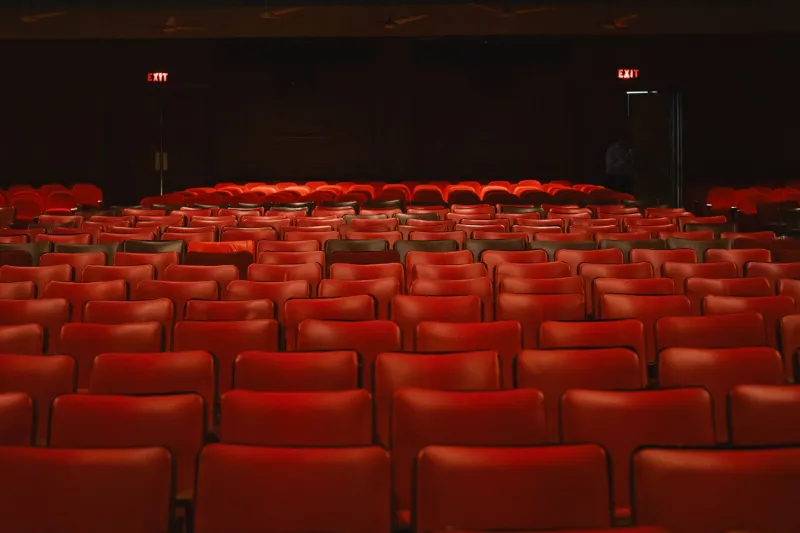
There's a particular kind of silence inside a dead movie theater. It's not the comfortable hush of a library or the eerie stillness of an empty office building. It's something heavier — a silence that feels like it's remembering something. The ghost of a thousand Saturday matinees, of newsreel crowds and teenage first dates and families piling into velvet seats for a shared two hours of escape. When urban explorers crack open the side doors of America's abandoned single-screen cinemas and movie palaces, that silence is usually the first thing they mention.
The second thing is the ceiling.
The Architecture Nobody Builds Anymore
From roughly the 1910s through the early 1970s, American theater owners competed for audiences partly through spectacle before the movie even started. Architects like John Eberson, Thomas Lamb, and the Rapp & Rapp firm designed venues that borrowed shamelessly from Baroque cathedrals, Moorish palaces, and ancient Egyptian temples. The goal was transport — to make a ticket buyer feel like they'd stepped into another world the moment they walked through the doors.
That ambition left a physical record that decay can't entirely erase. Explorers consistently report finding intact plasterwork medallions, painted canvas murals depicting pastoral European scenes, and ornamental column capitals still clinging to their gilding despite decades of water damage and neglect. In theaters built in the "atmospheric" style — Eberson's signature innovation — the auditorium ceiling was designed to resemble an open-air courtyard under a night sky, complete with fake stars, projected cloud effects, and sculpted architectural ruins lining the walls. Some of those fake skies still exist inside shuttered buildings in cities like Chicago, Indianapolis, and New Orleans, visible only to the people willing to squeeze through a broken service entrance.
"You're walking through what looks like a bombed-out Spanish villa," says one explorer who documents Midwest theater ruins under the handle @concrete_curtain on Instagram. "Except the villa is inside a building, and outside that building is a Walgreens parking lot. The cognitive dissonance never gets old."
Lobbies, Lounges, and the Forgotten Amenities
The auditorium gets most of the attention, but experienced theater explorers know to spend equal time in the peripheral spaces — the areas that reveal how differently Americans once thought about a night at the movies.
Lobby spaces in surviving palaces often retain their terrazzo floors, brass fixture housings, and elaborate ticket booth structures, even when the decorative elements have been stripped or painted over by later operators. Some venues ran through multiple lives — a first-run movie house becoming a second-run discount theater, then a church, then a storage facility — and each transition left its own sediment. Explorers peel back those layers like archaeologists, finding original wallpaper beneath later paint, original seat bolt patterns in concrete floors, and sometimes original signage buried behind drop ceilings installed decades later.
Women's lounges are a particular point of fascination. High-end theaters of the 1920s and 30s included dedicated sitting rooms, vanity areas, and attendant stations designed to make female patrons feel pampered. These spaces were often elaborately decorated in styles separate from the main auditorium — a French Provincial lounge in a theater with an Aztec-themed house, for instance. Many of these rooms survive in remarkable condition simply because they were sealed off and forgotten rather than renovated or repurposed.
The Projection Booth: A Time Capsule with a View
If there's a single space that captures the frozen-in-time quality of abandoned theaters, it's the projection booth. Perched at the rear of the balcony level, these small, often stuffy rooms were the operational heart of any cinema — and they were built to last. Fire codes required projection booths to be constructed of fireproof materials, which means the booths that housed early carbon-arc and later xenon projectors have often outlasted the more decorative elements of the theaters around them.
What explorers find inside varies wildly by when a theater closed. A house that shut down in the late 1970s might still contain a pair of carbon-arc projectors, actual film reels (sometimes still threaded and ready to run), changeover equipment, and the small porthole windows that framed the projectionist's view of the auditorium below. Theaters that made it into the digital era before closing might have a mix of vintage mechanical equipment pushed to one side and early digital projection hardware sitting unused on the other — a strange technological timeline compressed into one small room.
"I found a booth once that still had the schedule posted on the wall," one East Coast explorer recounts. "The last movie they'd shown was something from 1987. The reel was still on the platter. I didn't touch anything, just took photos, but it was one of those moments where you feel like you've actually traveled in time."
Why So Many Theaters Ended Up This Way
The story of how America went from nearly 20,000 single-screen theaters at mid-century to the multiplex-dominated landscape of today involves several overlapping forces. Urban renewal projects demolished many downtown palaces in the 1960s and 70s. The rise of suburban shopping centers pulled audiences — and eventually theaters — away from city centers. The multiplex model, which could show multiple films simultaneously in smaller, cheaper-to-build auditoriums, made the economics of the grand single-screen house increasingly difficult to justify.
Streaming finished what the multiplex started for many survivors. Theaters that had limped along as second-run houses or specialty venues lost their remaining audience during the pandemic years, and a significant number never reopened. The result is a scattered geography of shuttered cinemas across the country — some in active limbo, awaiting renovation funding that may never materialize, others quietly deteriorating behind padlocked doors in neighborhoods that have largely moved on.
Preservation organizations like the League of Historic American Theatres maintain records of structures still standing, and some communities have successfully converted their old movie palaces into performing arts centers, event venues, or mixed-use spaces. But for every success story, there are several more buildings sitting in legal and financial purgatory, their futures uncertain and their interiors accessible mainly to explorers willing to accept the legal and physical risks that come with the territory.
What You're Actually Looking At
For newcomers to theater exploration, the scale of what's been left behind can be genuinely disorienting. These weren't small spaces. A mid-sized regional palace from the 1930s might seat 1,200 people across a main floor and balcony, with stage space originally designed for vaudeville acts, dressing rooms below the stage, and mechanical infrastructure — counterweight rigging, trapdoor systems, electrical panels — that fills entire basement levels.
The backstage areas are consistently among the most surprising finds. Theaters built with live performance in mind contain networks of corridors, fly spaces, and storage rooms that most people never knew existed. Dressing room mirrors still hang on walls. Stage manager's desks sit in their original positions. The ghost light — that single bare bulb traditionally left burning on an empty stage — has gone cold, but the stand it sat on is often still there.
That's the thing about these places. They weren't abandoned carelessly. They were locked up, often with the intention of coming back, and then the people with the keys either moved on or passed away, and the buildings just... waited. The movie palaces of America are still waiting, ornate and patient and slowly losing the argument with gravity and water, holding onto their grandeur for whoever shows up next with a flashlight and enough curiosity to look up.