Where the Last Train Left: Wandering America's Silent Rail Terminals and Whistle-Stop Depots
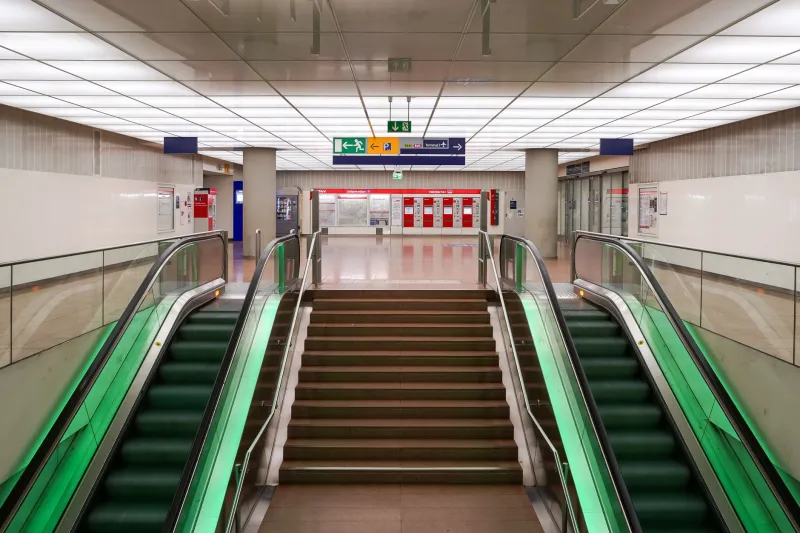
There's a particular kind of silence inside a dead train station. No announcements, no rumble of wheels on track, no hiss of doors — just the echo of your own footsteps bouncing off tile that hasn't felt a commuter's heel in decades. For urban explorers, few sites deliver that ghost-story atmosphere quite like America's abandoned rail infrastructure, a network of grand terminals and lonely depots left behind when passenger rail collapsed in the mid-twentieth century.
The Cathedrals That Trains Forgot
Start with the big ones. America's great Beaux-Arts terminals — think of the lineage of Michigan Central Station in Detroit or Buffalo's massive Central Terminal — were built to impress, and even in decay, they do. Skylights over empty concourses, ironwork spiraling up staircases nobody climbs anymore, ticket windows with brass fittings still intact under layers of grime.
These buildings were designed to move tens of thousands of people a day, and their bones show it. Explorers who document them consistently report the same details: luggage carts frozen mid-route, mail chutes stuffed with decades-old correspondence, and the station clocks — stopped, of course, always stopped — hanging over halls that once thundered with arrivals.
Not every site stays abandoned. Michigan Central's ongoing restoration by Ford is the highest-profile revival story in the game, and it's worth noting because it changes how you shoot a place. A terminal mid-renovation tells a different story than one mid-rot. Both are worth documenting, but the window between neglect and rebirth is often the most fleeting.
The Whistle Stops Time Skipped
The small-town depot is the underrated gem of rail urbex. When passenger service dried up after World War II — squeezed by interstates and the rise of the automobile — thousands of modest brick depots along lines from Ohio to the Dakotas went dark almost overnight.
These aren't palaces. They're single-story brick buildings with freight rooms, a potbelly stove footprint scorched into the floor, and freight ledgers still shelved in the back office. Some still have the agent's desk calendar open to a date in the 1960s. The platforms outside are often the most photogenic element: rusted light poles, cracked concrete, and the occasional mile-marker sign pointing to a schedule that no longer exists.
Because these depots sit right in town — usually within walking distance of a Main Street — they're also the sites where you're most likely to run into a local with a story. Talk to them. Half the oral history of American rail abandonment lives in the memories of people who caught the last train out.
Reading a Departure Board That Never Updates
The artifacts are what make rail sites special. Painted destination boards, punch-clock timecards, baggage tags, and route maps from railroads that merged or vanished — the Penn Central, the Rock Island, the New Haven. Salvage crews and preservationists have stripped many stations of the valuable stuff (light fixtures, signage, benches), which makes intact examples genuinely exciting finds.
Photograph everything before you touch anything. Documentation is the whole point. A 1958 freight manifest means nothing in a drawer and everything in an archive.
Restoration Fights and Second Acts
Not every terminal is doomed. Small towns across the Midwest and South have converted depots into museums, visitor centers, restaurants, and libraries — often with volunteer labor and grant money scraped together over decades. Others sit in legal limbo while railroads, municipalities, and preservation groups argue over liability and cost.
For explorers, that means the landscape is always shifting. A site that was wide open two years ago may be sealed, renovated, or demolished today. Check recent trip reports, respect no-entry postings on active restoration projects, and remember that a building being saved doesn't need your help falling apart faster.
The rails may have moved on, but the rooms where America once waited for them still stand. Someone should be there to photograph them before the boards go dark for good.